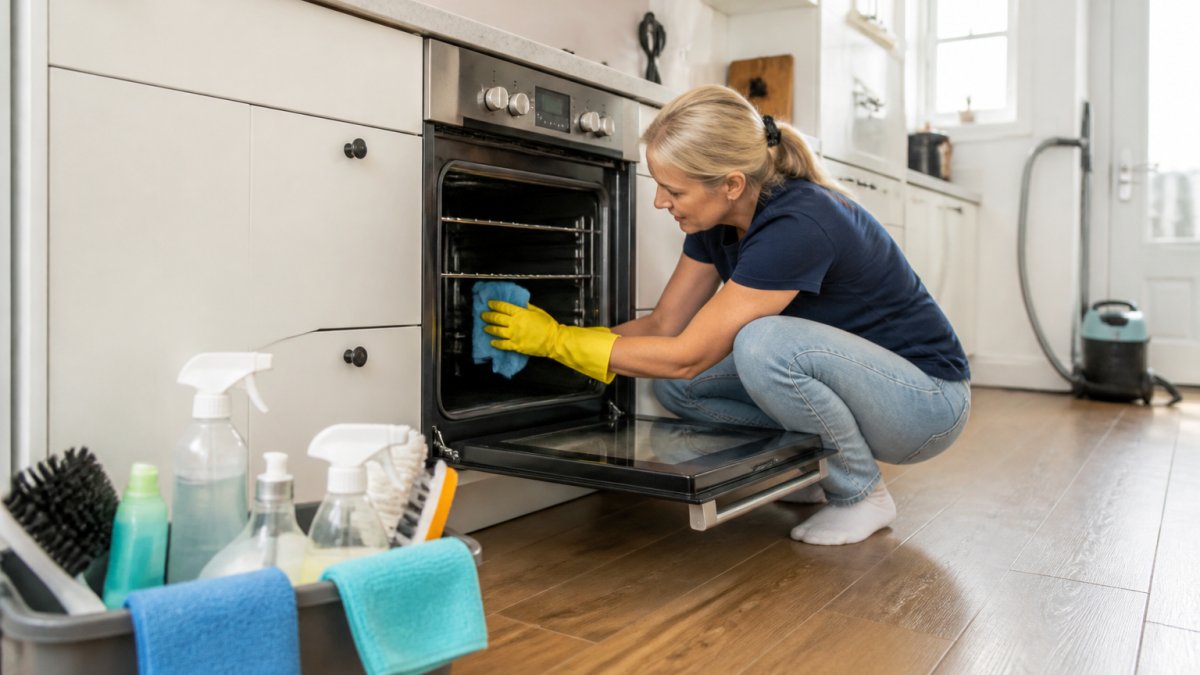
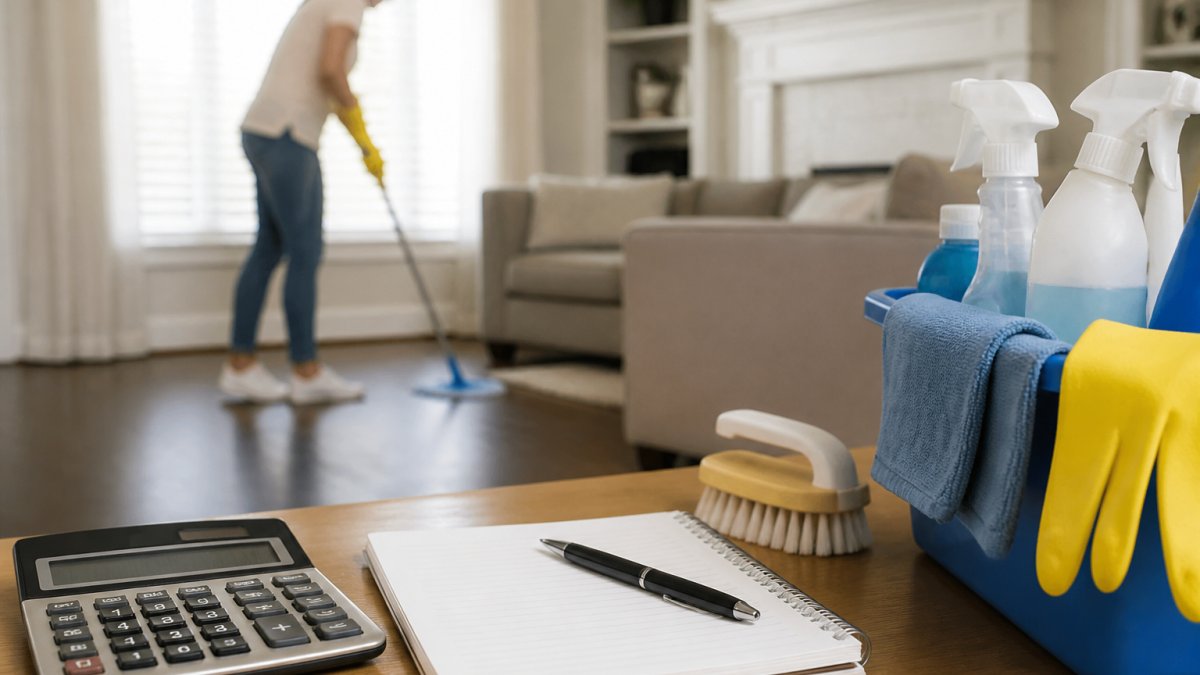
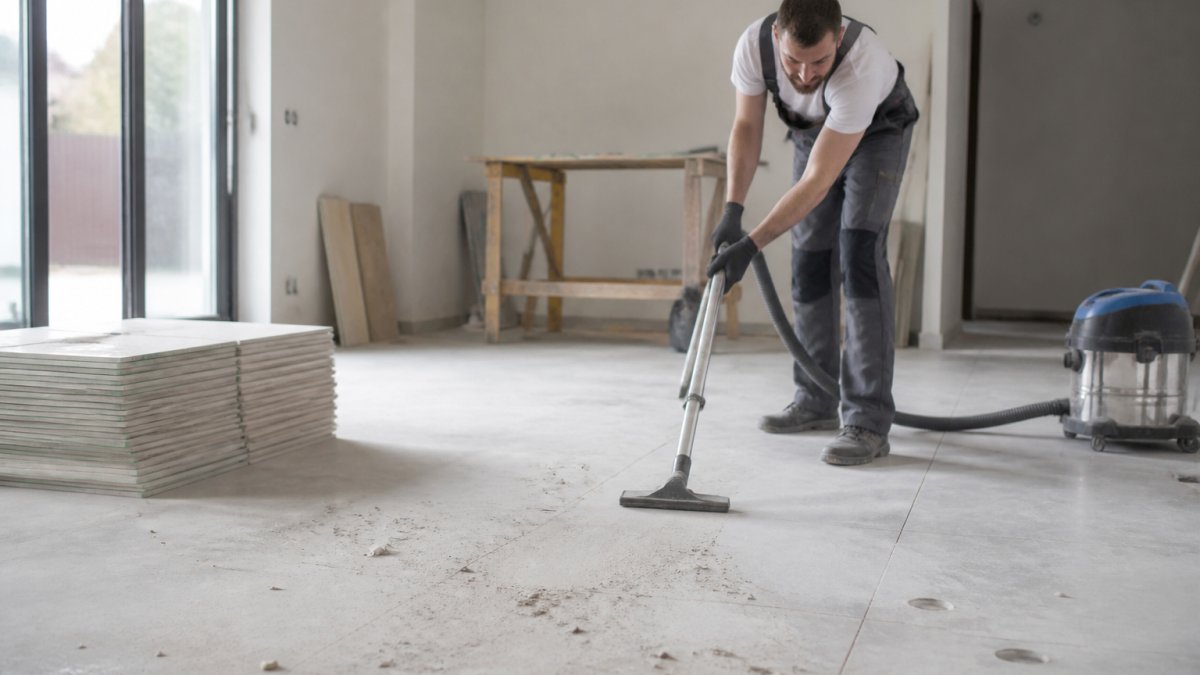
 comparison
Is an After-Construction Cleaning Company Worth It?
Last Updated: October 28, 2026
Quick Summary
An after construction cleaning company removes the dust, debris, and residue builders leave behind, turning a finished job site into a move-in-ready space. The work is different from standard house cleaning because builders clean to a construction standard, not a living standard. Most homeowners only need the final clean, not the rough clean.
- A complete clean moves top to bottom and dry to wet, saving floors for last.
- A broom clean means debris is gone but dust is not, so it is not a final clean.
- Final cleans cost more per square foot than rough cleans, and touch-up cleans cost least.
- Ask bidders to break quotes into labor, supplies, and disposal for easy comparison.
- Schedule the clean after the final trade finishes but before furniture arrives.
Table of Contents
- What an After Construction Cleaning Company Actually Does
- Post-Construction Cleaning Checklist: What a Full Detail Clean Covers
- Rough Clean vs. Final Clean: Which Phase You Need
- Construction Dust Removal: Why Fine Dust Needs More Than a Wipe Down
- Post-Construction Cleaning Cost: What Drives Your Quote
- How the Leading After Construction Cleaning Companies Compare
- Booking Your After Construction Cleaning Service
- Frequently Asked Questions
What an After Construction Cleaning Company Actually Does
An after construction cleaning company removes the dust, debris, and residue that builders leave behind, turning a finished job site into a move-in-ready space. The work is different from a standard house cleaning.
Builders clean to a construction standard, not a living standard. That gap is where most homeowners get surprised.
OSHA guidance on silica dust exposure in construction explains why fine construction dust deserves respect. Silica particles from drywall and concrete are a genuine health concern, which is one reason a shop vacuum and a rag are not enough.
Post-Construction Cleaning Checklist: What a Full Detail Clean Covers
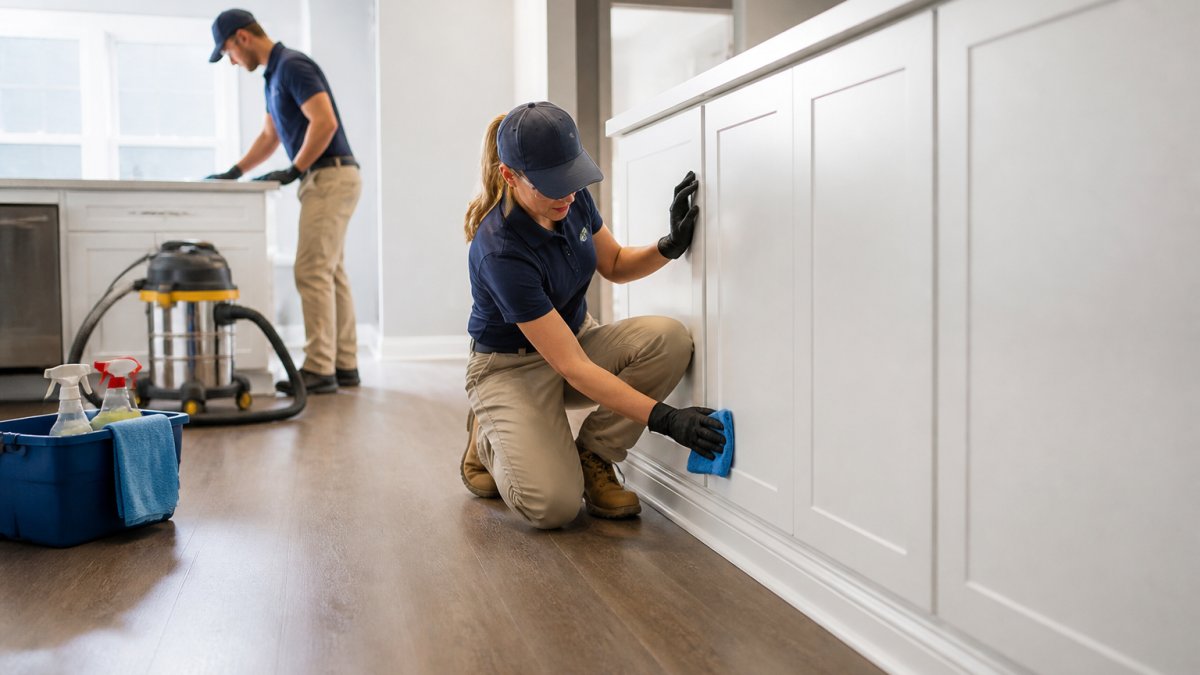
A complete post-construction cleaning checklist moves top to bottom and dry to wet, so dust never lands on a surface you already cleaned. Here is the sequence our crews follow.
- Rough debris removal from floors, corners, and inside cabinets
- HEPA vacuuming of ceilings, walls, vents, and light fixtures
- Drywall dust removal from every ledge, sill, and trim line
- Window and glass cleaning, inside and out where accessible
- Fixture and cabinet wipe down, inside and out
- Baseboard and door frame detailing
- Floor cleaning matched to the material, from sweeping to mopping
- Final touch-up clean and walkthrough with the client
The order matters more than the list. Vacuum before you wipe, wipe before you mop, and save floors for last. Skip a step and you are cleaning the same dust twice.
Rough Clean vs. Final Clean: Which Phase You Need
Rough clean and final clean are two distinct phases, and most homeowners only need the final clean. A rough clean happens after the heavy trades finish, clearing bulk debris and big dust so other work can continue. A final clean happens once everything is installed and painted, and it is the one that makes the space livable.
| Phase | Timing | What It Covers | Who Usually Needs It |
|---|---|---|---|
| Rough clean | After framing and heavy trades | Bulk debris, large dust, floor sweeping | Contractors and builders |
| Final clean | After all trades finish | Detail dust removal, windows, fixtures, floors | Homeowners and facility managers |
| Touch-up clean | Just before move-in | Last-minute dust, fingerprints, glass | Anyone after final clean |
If your contractor offers a "broom clean," that is not a final clean. It means the debris is gone and the dust is not.
Construction Dust Removal: Why Fine Dust Needs More Than a Wipe Down
Fine construction dust settles everywhere and resists a dry cloth, which is why construction dust removal takes HEPA equipment and repeated passes. Drywall dust and sawdust are light enough to hang in the air for hours, then settle again after you finish.
A common mistake is wiping surfaces with a dry rag. That just pushes dust into the air, where it resettles on the ceiling, the vents, and the fresh paint.
Watch out: running a standard shop vacuum without HEPA filtration can blow fine dust back into the room, undoing an hour of work.
Post-Construction Cleaning Cost: What Drives Your Quote
Post-construction cleaning cost depends on square footage, project size, and how much dust and debris the trades left behind. No honest company quotes a flat rate over the phone, because a light remodel and a full gut renovation are different jobs. What most service pages never explain is how cleaners actually build the number, which is the part that lets you budget and compare bids.
Most companies price post-construction cleaning one of three ways:
- Hourly, with a crew rate. Common for smaller or uncertain jobs. You pay for labor hours plus supplies, and the final bill moves with actual conditions. Ask for the crew size and the hourly rate before you approve.
- Flat rate per project, set after a walkthrough. Common for whole-home and commercial work. The cleaner absorbs the risk of a dirtier-than-expected site, which is why the walkthrough matters.
- Per square foot, tiered by phase. Common for builders and property managers with repeat volume. The rate per square foot usually drops as square footage rises, and rough cleans price lower per square foot than final cleans because they involve less detail work.
A common pattern is that final cleans cost more per square foot than rough cleans, and touch-up cleans cost least because the space is already clean. If a quote treats all three phases the same, ask why.
The factors that move a quote most:
- Square footage of the cleaned area, measured on the floor plan rather than guessed
- Scope of work, from a single room to a whole building
- Dust volume, which tracks with drywall, sanding, and concrete work
- Surface count, since windows, fixtures, cabinets, and trim add detail time
- Height and access, because vaulted ceilings, skylights, and tight stairwells slow a crew down
- Timing, including evening, weekend, or short-notice work that requires overtime
- Disposal, if the quote includes hauling job-site debris rather than leaving it in a dumpster
For a closer look at what a cleaning service costs before you request one, see our service details.
How the Leading After Construction Cleaning Companies Compare
National franchises and local crews both offer post-construction cleaning, and the differences show up in scope, scheduling, and accountability. You can see commercial spaces we have cleaned to judge the work for yourself. A name-by-name table tells you almost nothing, because every provider's page says the same things. What actually separates them is how they answer the questions below.
Use these criteria side by side when you compare bids:
- Post-construction focus. Does the company run dedicated post-construction crews, or does it send standard house cleaners into a dusty site? Dedicated crews carry the right vacuums and know the phase sequence.
- Phase coverage. Can they do rough, final, and touch-up cleans, and will they tell you which one your project needs? A provider that only offers a final clean may leave bulk debris for you to handle.
- Insurance and bonding. Ask for a certificate of insurance showing general liability, and confirm workers' compensation coverage. If a crew member is injured on your property, the paperwork matters.
- Vetting and training. Ask whether crews are employees or subcontractors, whether background checks are run, and how new hires are trained on dust control.
- Equipment. HEPA vacuums, microfiber, and damp-wipe methods are the baseline. A provider relying on shop vacuums without HEPA filtration will spread fine dust.
- Scope document. A written scope that lists rooms, surfaces, and exclusions protects both sides. Verbal scopes are where disputes start.
- Walkthrough and punch list. Who inspects the finished clean, and what is the process for fixing missed items before final payment?
- Damage policy. Ask in writing what happens if a surface is scratched or a fixture is damaged during cleaning.
- Scheduling and availability. Confirm lead time, whether they work evenings or weekends, and how they handle a slipped construction schedule.
- References. Ask for two or three recent post-construction clients, ideally with projects similar in size to yours.
EPA guidance on safe cleaning products is a useful reference when you ask which products a company uses on your surfaces, and OSHA guidance on silica dust exposure in construction explains why HEPA filtration and dust-control practices are not optional on a post-construction site.
Our own approach centers on a rotational deep cleaning system, personalized cleaning kits, and a cross-contamination prevention standard, backed by full insurance.
Booking Your After Construction Cleaning Service
Booking an after construction cleaning service works best when you schedule it after the final trade finishes but before furniture arrives. That window is usually a few days, and it is the only time the space is empty enough for a full detail clean.
A practical booking sequence:
- Confirm the construction schedule with your contractor
- Request a walkthrough quote once the punch list is nearly done
- Agree on scope, date, and business hours access
- Clear the space of tools and materials before the crew arrives
- Walk through the finished clean before final payment
If you have questions about scheduling or scope, our FAQ page covers the details. When you are ready, start your client intake.
Frequently Asked Questions
What does an after construction cleaning company do?
An after construction cleaning company removes the mess construction leaves behind: drywall dust, sawdust, paint splatter, adhesive residue, and debris. A thorough crew vacuums with HEPA equipment, wipes down cabinets, baseboards, fixtures, and windows, then mops floors and sanitizes surfaces. The goal is a freshly renovated space that is safe and ready to occupy, not just a surface tidy-up.
What is the average cost of post-construction cleaning?
Post-construction cleaning cost depends on project size, square footage, and how much dust and debris remain. A small remodel may take a few hours, while a full home build needs a larger crew over several days. Most companies quote per project rather than per hour. Request a service quote after a walkthrough so the scope and price are clear before booking.
What is the difference between rough cleaning and final cleaning?
A rough clean happens during or right after construction and focuses on bulk debris, dust, and larger messes so trades can keep working. A final clean comes after all work is done and covers detailed cleaning: windows, fixtures, cabinets, baseboards, and floors. Some projects also need a touch-up clean after final inspections. Ask which phase your project needs before you book.
Does post-construction cleaning include windows, cabinets, and floors?
Most full-service companies include windows, cabinets, and floors in a final clean, but the exact scope varies. Confirm in writing that the quote covers interior glass, cabinet interiors and exteriors, baseboards, fixtures, and floor cleaning for each surface type. A post-construction cleaning checklist helps you compare quotes side by side so nothing is left out.
What should I ask before hiring a post-construction cleaning company?
Ask whether the company is fully insured, how it handles cross-contamination between projects, and whether it uses HEPA vacuums for fine dust. Request a written scope, a post-construction cleaning checklist, and a service quote based on a walkthrough. Also confirm scheduling around your contractor's final walkthrough and what happens if you are not satisfied with the result.
Construction dust has a way of showing up weeks after you think the job is done, usually on a surface you just cleaned. If you want a space that is genuinely ready to live or work in, get started with Poe Professional and book a walkthrough quote for your freshly renovated space.